The healthy-architecture decisions that change a home most are: correct solar orientation, cross ventilation, controlled natural light, low-emission materials, acoustic treatment, passive thermal comfort, water quality, artificial lighting tuned to the circadian cycle, integrated planting and a transition area at the entrance.
Healthy architecture is not a product package: it is a set of decisions taken during design, while changing is still inexpensive. These are the ten that make the greatest everyday difference.
1. Solar orientation before the drawing
Placing bedrooms, living areas and service areas according to the path of the sun is the highest-impact, zero-cost decision. It determines thermal comfort and natural light for the entire life of the property.
2. Cross ventilation in every room
Two openings on different faces renew the air without equipment. It reduces humidity, mould and the concentration of indoor pollutants.
3. Controlled natural light, not maximum
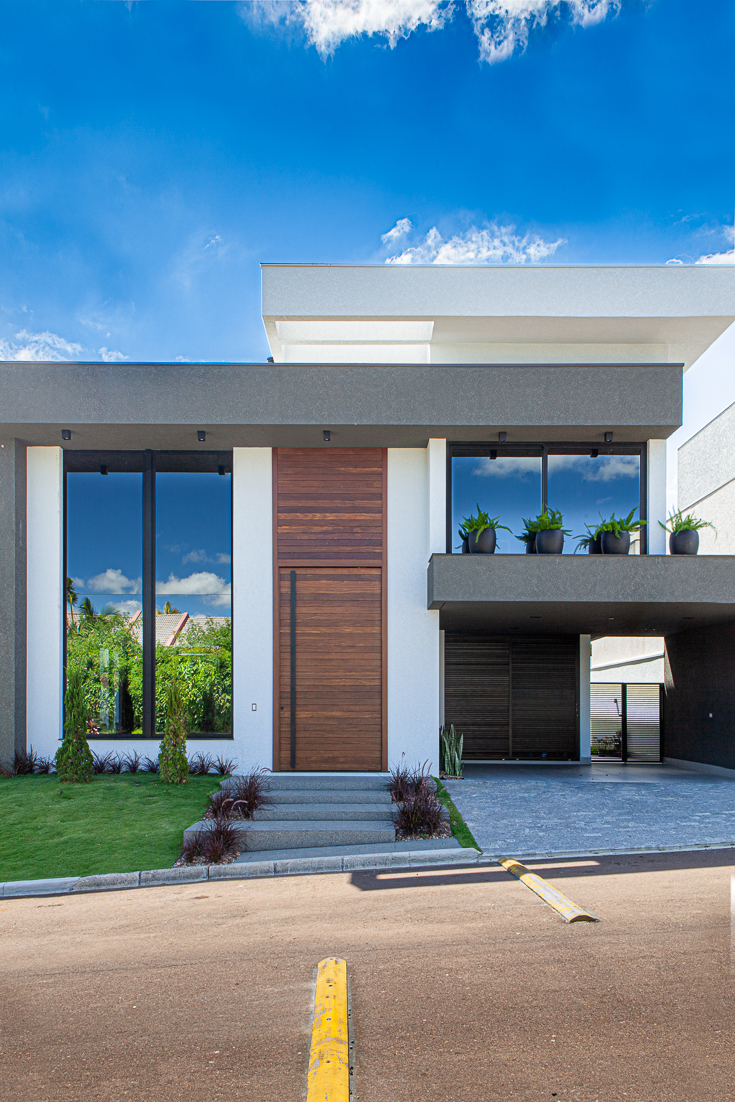
Too much glass creates glare and heat. Eaves, brise-soleil, pergolas and technical blinds tune the light hour by hour, keeping the benefit and removing the discomfort.
4. Low-emission materials
Paints, adhesives, varnishes and panels release volatile organic compounds for months. Specifying carefully selected low-emission ranges changes indoor air quality measurably.
5. Acoustics treated as design
Sealed window frames, absorbent ceilings, well-sealed doors and distance between quiet and noisy areas transform rest. Chronic noise is a health issue, not a comfort issue.
6. Passive thermal comfort
Roof insulation, wall thermal mass and shading of the most exposed faces reduce the need for air conditioning — and the energy bill — for decades.
7. Water quality
Filtration at the inlet, suitable pipe materials and tanks with accessible maintenance are simple decisions that rarely make it into the design conversation.
8. Layered artificial lighting
Warmer colour temperature at night and cooler light during the day, with separate circuits and dimming, respect the circadian cycle and help regulate sleep.
9. Planting integrated into the architecture
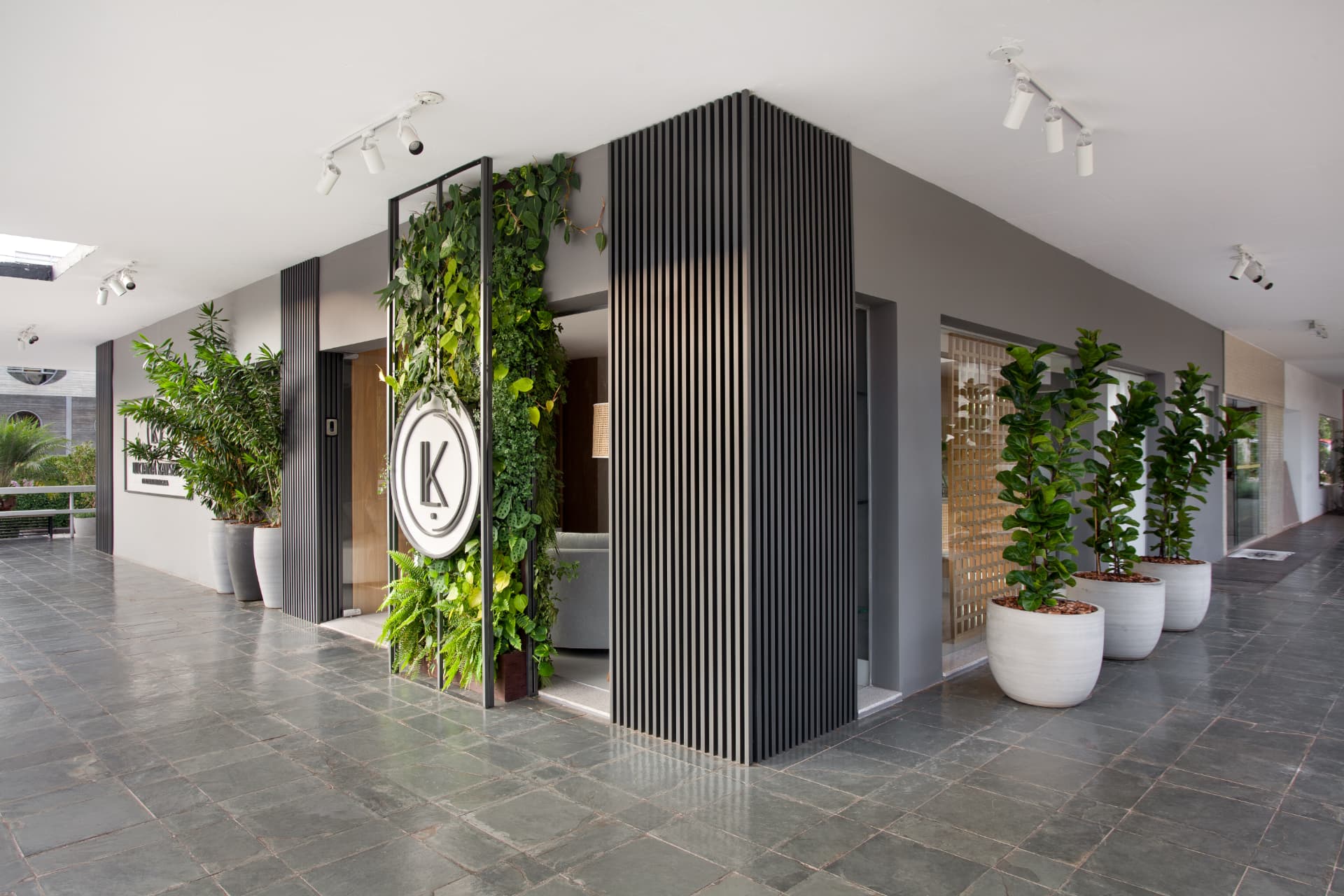
Indoor gardens, planters and green views reduce mental fatigue. They work better when built into the structure, with irrigation and sunlight resolved, than when added later.
10. A transition zone at the entrance
A space for shoes, bags and handwashing before entering the home significantly reduces the load of particles and residues brought in from the street.
None of these decisions shows up in a photograph. All of them show up in how the home is lived in.
Caroline Bollmann holds a master's degree in Comfort in the Built Environment from UFPR and an international Healthy Building Certificate — these criteria enter every project of the studio, from the preliminary study to site supervision.