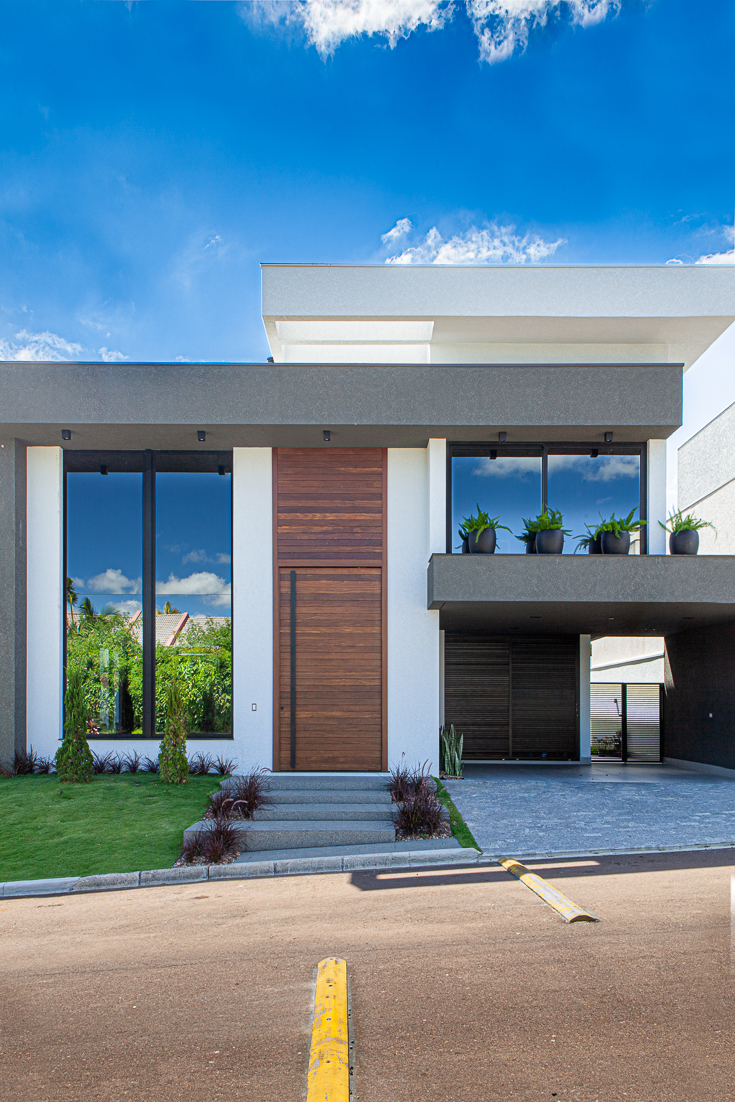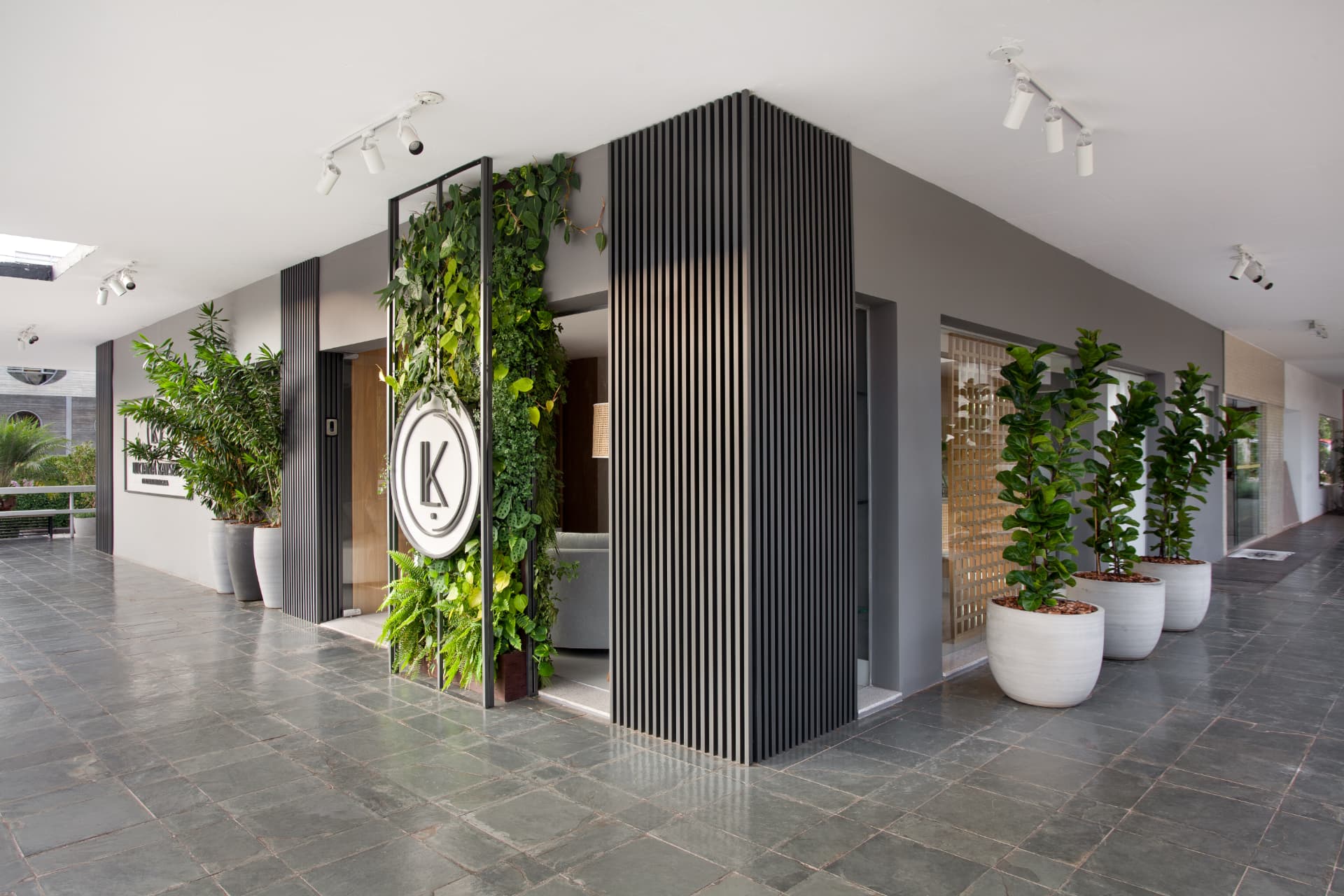
Healthy architecture is the practice of designing spaces that protect the physical and mental health of the people who inhabit them. It treats air quality, natural light, acoustics and contact with nature as technical design decisions — not as finishes — improving sleep, focus, thermal comfort and well-being throughout the life of the property.
We spend around 90% of our time indoors. Even so, most design decisions consider only aesthetics and function — rarely the physiological effect of the space on the people who inhabit it. Healthy architecture reverses this order of priorities.
The four pillars of healthy architecture
At Espaço A, every project is assessed against four measurable pillars. They do not compete with the design: they guide it from the very first site study.
1. Air quality
Paints, varnishes, adhesives and manufactured panels release volatile organic compounds (VOCs) for months after construction. Specifying low-emission materials and sizing air renewal room by room noticeably improves the quality of sleep, breathing and concentration.
2. Natural light
Natural light regulates the circadian cycle — the biological clock that determines when the body wakes and when it winds down. Sun-exposure studies guide openings, brise-soleils and curtains so light enters in the right measure at each hour of the day, without glare or excessive heat gain.
3. Acoustics
Chronic noise raises cortisol and harms rest. Sealing, absorbent ceilings, technical curtains and an intelligent layout of rooms turn silence into a design resource — especially in urban apartments and clinics.
4. Biophilia
Vegetation, water, stone, wood and views to the outdoors integrated into the structure of the design — not into the decoration. The presence of nature reduces mental fatigue, improves mood and restores a sense of belonging to the built environment.
Why this matters in practice
- Sleep and energy: well-resolved light and acoustics act directly on the quality of rest.
- Respiratory health: low-emission materials and proper ventilation reduce allergy and asthma triggers.
- Productivity: workspaces with thermal and acoustic comfort sustain concentration for longer.
- Long-term savings: passive decisions — orientation, shading, thermal mass — reduce energy consumption for decades.
Healthy architecture is not a style. It is a discipline of technical decisions, made during the design phase, that keep benefiting the occupant for decades.
How we apply it at the studio
Caroline Bollmann holds a master's in Comfort in the Built Environment from UFPR and the international Healthy Building Certificate. That means the four pillars enter every stage: the briefing, the preliminary study, material specification and construction oversight — with verifiable criteria, not generic intentions.
If you are starting a residential or commercial project, or a renovation, it is worth talking about how these criteria apply to your specific case. Every site, floor plan and routine calls for a different combination.